No deal has yet been reached to stop hostilities between the U.S. and Iran. What will next week bring?
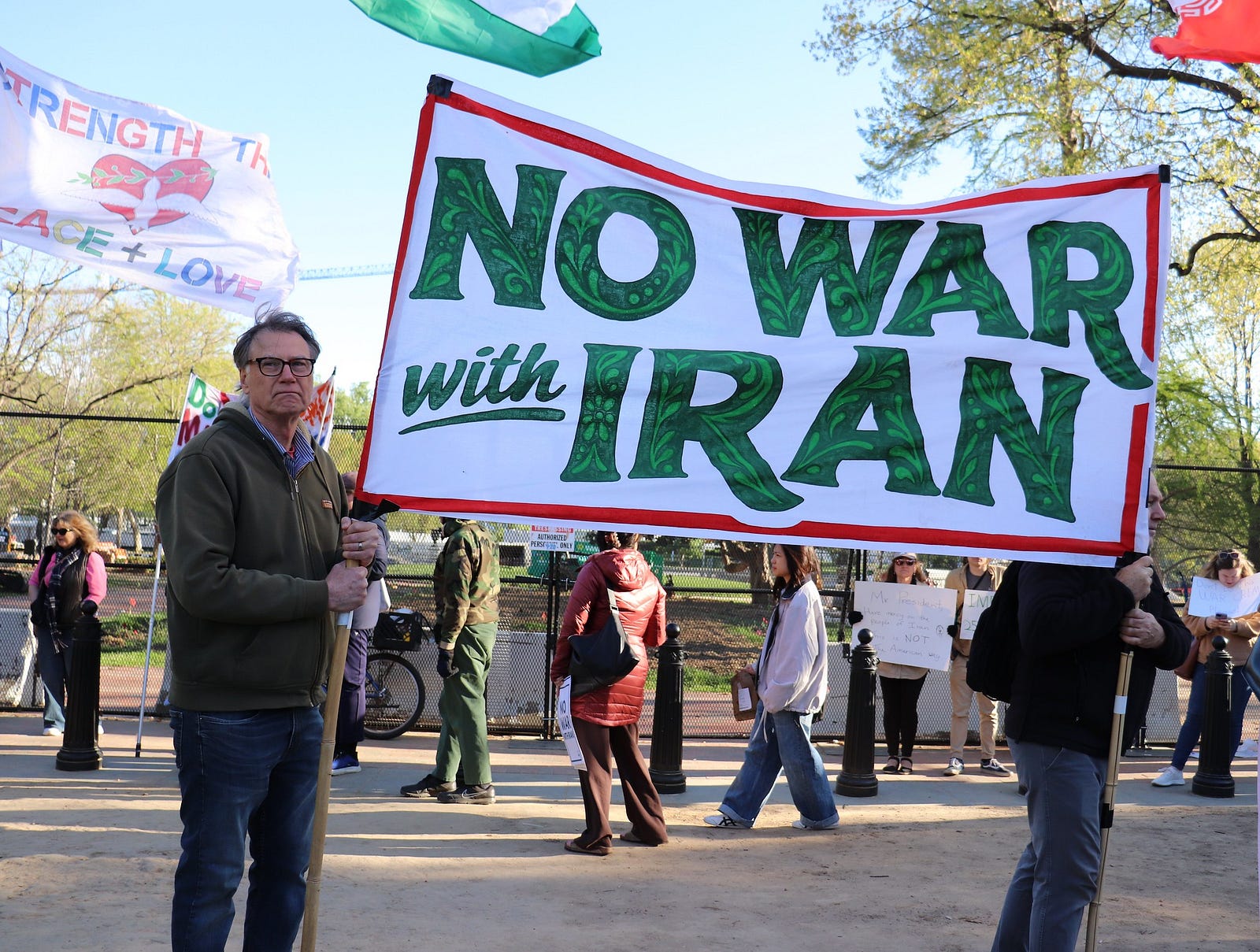
The ceasefire is still holding. That is the most important fact, and also the easiest one to lose sight of.
Because, unfortunately, no deal has yet been reached between the United States and Iran to end hostilities for good. The talks in Islamabad ended without a breakthrough after a long weekend of negotiations, and both sides remain far apart on the biggest questions, especially Iran’s nuclear program and the terms of any broader regional de-escalation.
But the ceasefire itself has not collapsed. It is still in place through April 22, and for now that matters perhaps more than the lack of a final agreement.
This is the sort of moment that makes everybody uneasy. Nothing feels settled. Nothing feels safe. Markets are skittish, diplomats are frustrated, and military planners are no doubt preparing for every possible bad outcome. Yet these are also the moments when people can misread events by being too dramatic too soon. A failed round of talks is not the same thing as the end of diplomacy. Sometimes it is just the part where both sides step back, posture, raise the pressure, and look for a better angle.
U.S. Vice President JD Vance’s public remarks over the last few days fit that picture pretty well. VP Vance was one of the key negotiators for the U.S. during the recent talks.
Before heading into the talks, he sounded hopeful, or at least willing to sound hopeful. “We’re looking forward to the negotiation,” he said at the time. “I think it’s going to be positive.” That is not the language of a White House that believed diplomacy was pointless from the start. It is the language of an administration that thought there was at least some chance of movement.
At the same time, Vance made clear that patience had limits. He warned that if Iran tried to “play us,” the American negotiating team would not be receptive. That was the tell. The administration came in open to a result, but not open-ended.
They wanted seriousness from Tehran, not more delay.
After the talks fell apart, Vance’s tone turned much firmer. He said the United States needed an “affirmative commitment” that Iran would not seek a nuclear weapon. He called the breakdown “bad news for Iran much more than this is bad news for the U.S.” And he said Washington had made its “final and best offer.”
That all sounds hard-edged, and it is. But even here, the language does not quite suggest a total closing of the door. It sounds more like an effort to tighten the screws. “Final and best offer” is the kind of phrase negotiators use when they want the other side to feel the walls narrowing. It is pressure language. It is coercive. But it is still negotiation language.
That is why next week will matter so much.
The real question is whether the next phase is about forcing diplomacy forward or stumbling back into open conflict.
The flashpoint, most agree, is the Strait of Hormuz. The United States says it will begin a naval blockade aimed at traffic going to and from Iranian ports. Iran’s Revolutionary Guards are warning that military vessels approaching the strait will be treated as a ceasefire violation. That is a dangerous stalemate.
But danger does not always mean inevitability.
Sometimes it is a form of leverage. Sometimes both sides push right up to the edge precisely because they still want a deal, just on better terms.
There are also a few reasons not to sink into total pessimism. Some tanker traffic has resumed through Hormuz. Regional markets have been rattled, but not overwhelmed by panic. Pakistan has indicated that it may try to facilitate more talks. None of this amounts to peace. But it does suggest that the machinery of de-escalation has not been dismantled.
And that may be the real story of this moment. Not progress, exactly. But not collapse either.
Iran does not look ready to surrender. The Trump administration does not look ready to back down.
And then there is Israel to consider. After the October 7th terrorist attack on Israel in 2023, Israeli leadership promised to find and destroy everyone who played a part in the deadly and dastardly attack. That reaction was always going to start with Hamas…and end with Iran.
So what comes next will probably not be tidy or dramatic in the way cable news likes. It may be messy, incremental, and hard to read while it is happening. A temporary extension. A narrower agreement. A face-saving formula. Another round of talks that goes nowhere until suddenly one of them does.
For now, “tense, and holding” still feels like the right phrase. The ceasefire is holding. The negotiations have fallen apart for now. This crisis is not over, and neither is diplomacy. Next week could bring escalation. It could also bring the first small break in the deadlock. In moments like this, that is sometimes how peace begins: not with triumph, but with the simple fact that the worst outcome has not happened yet.
(Contributing writer, Brooke Bell)