The finish line to a lasting peace may still be far away, but for the first time in weeks, investors, oil traders, and ordinary Americans can see it.
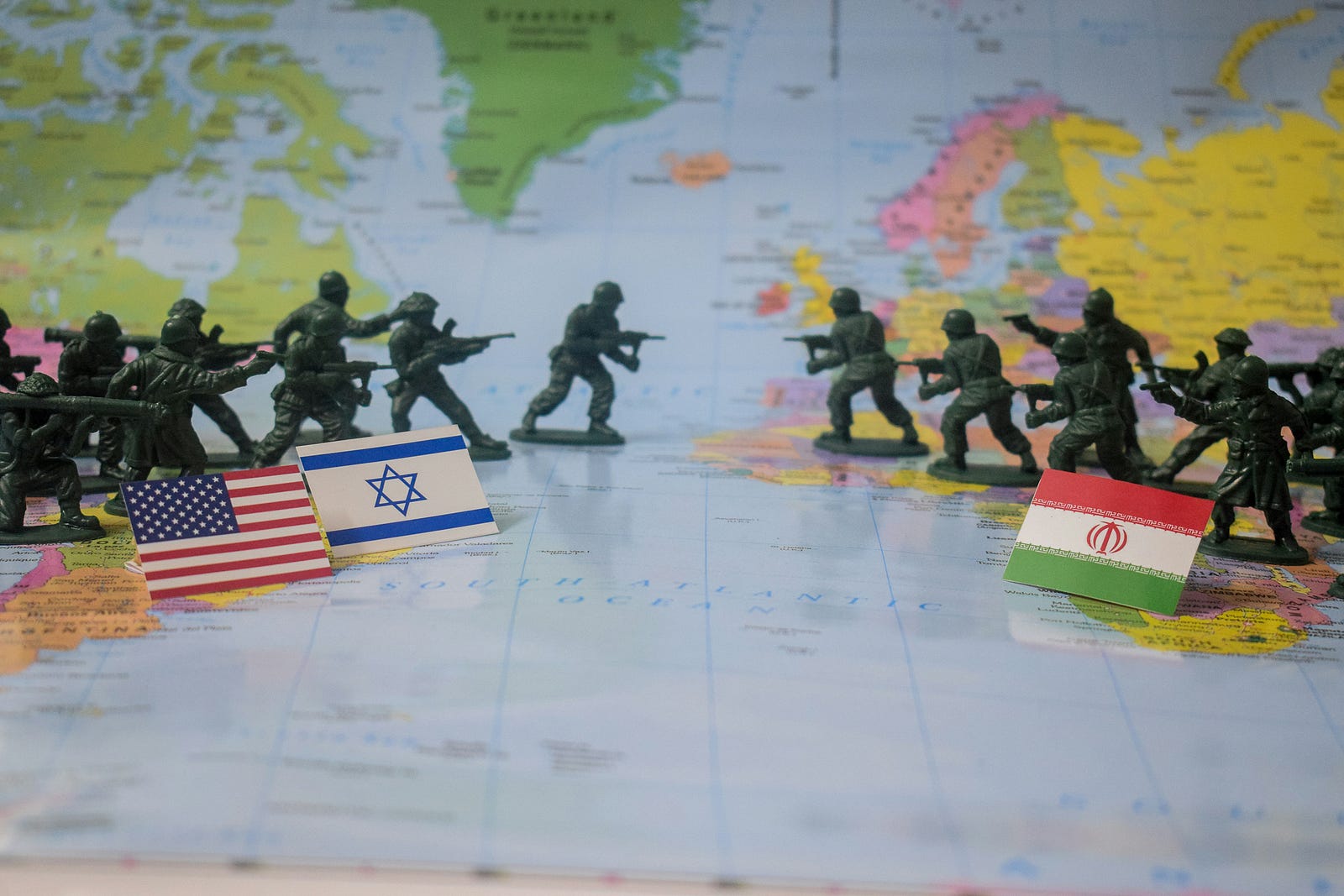
Last night and into this morning, the markets did something they have not been eager to do in a while: they exhaled.
Stocks rallied hard. Oil fell. Traders, investors, and ordinary people watching gas prices all seemed to take the same message from the news of a ceasefire with Iran: maybe, just maybe, the worst-case scenario is receding. Maybe the region is stepping back from the brink.
Maybe the finish line to a lasting peace is still farther away than anyone would like, but at least now it is visible. And not a moment too soon.
The relief was immediate. The Dow surged more than 1,300 points, the S&P and Nasdaq jumped with it, and oil dropped sharply below the panic levels that had everyone bracing for another inflationary shock. European markets had their best day in a year. Travel, industrial, and banking stocks all moved higher, which is often what happens when investors start to believe that the sky may not, in fact, be falling.
This is welcome news from Wall Street to main street. When oil comes down, it is not just a number on a screen. It means some pressure comes off family budgets. It means gas prices may stop climbing just as Americans were starting to dread another squeeze. It means businesses that depend on shipping, transport, and fuel (which is everyone) can start imagining something other than permanent disruption. After weeks of war risk, energy fear, and nerves about the Strait of Hormuz, the market is telling us that a major danger has eased, at least for now.
And yes, contrary to what President Donald Trump’s vociferous detractors in the media (of which there is still no shortage) say, there are real reasons for that optimism.
For one thing, this is not just a headline rally built on wishful thinking. There is an actual diplomatic track now. European leaders publicly welcomed the ceasefire and called it a step toward a lasting agreement. Pakistan’s mediation appears to have helped pull the parties back from the edge at a critical moment. Once talks exist, even fragile talks, they create their own kind of gravity. It becomes harder for everyone involved to simply blow the whole thing up without consequence. Diplomacy has a way of taking on weight once it is in motion.
There are also signs, however tentative, that the all-important shipping picture could improve. A few vessels have already moved through the Strait of Hormuz under the new arrangement.
Shipping companies remain cautious, of course, and no one should pretend everything is normal. But “not normal” is not the same thing as “catastrophe.” If traffic begins to resume, even in a limited and controlled way, that is still a meaningful change from paralysis. Markets understand this. They do not require perfection in order to rally. They just need evidence that the road ahead is beginning to reopen.
Even some of the caution, oddly enough, can be read as a good sign. The big shipping firms are not acting like starry-eyed gamblers. They are acting like sober adults. Hapag-Lloyd says it could take six to eight weeks for operations to normalize once the region stabilizes. Good. Better that than false bravado. Real peace, if it is coming, will not arrive all at once in a cinematic burst. It will arrive in stages: a ceasefire, then talks, then limited reopening, then cautious business resuming, then confidence slowly returning. That is how serious things heal.
And perhaps that is the most encouraging sign of all: the world is already beginning to behave as though peace is possible.
That may sound like faint praise, but it is not. In moments like this, possibility is enormous. Possibility is what separates a crisis from a disaster. Possibility is what lets oil fall instead of spike, lets markets rise instead of sink. For weeks, the dominant feeling around this conflict was that events were spiraling outward. Now, for the first time in a while, the momentum appears to be moving in the other direction.
There are still obvious dangers. The ceasefire is temporary. The region remains incredibly tense. Shipping is not back to normal. Other fronts, especially Lebanon, could still complicate matters. Long term, Gulf nations are nervous that the Islamist Republic may emerge from this conflict stronger than ever. No one should confuse a hopeful turn with a final settlement. But there is a difference between naïveté and hope, and right now hope has earned its place.
The markets are not always right. But neither are they always foolish. Sometimes they see what the rest of us are afraid to say out loud: that a bad trajectory has changed, that a pressure point has eased, that a door has opened.
That may be what we are seeing now.
The finish line to a lasting peace may still be somewhat far away. But it is coming into view. The markets can see it. Oil traders can see it. Diplomats can see it.
And for drivers staring at gas station signs, for families watching prices on everything from groceries to airline tickets, it cannot come soon enough.
(Contributing writer, Brooke Bell)