The three attacks this week were not protest, dissent, or antiwar activism. They were terror.
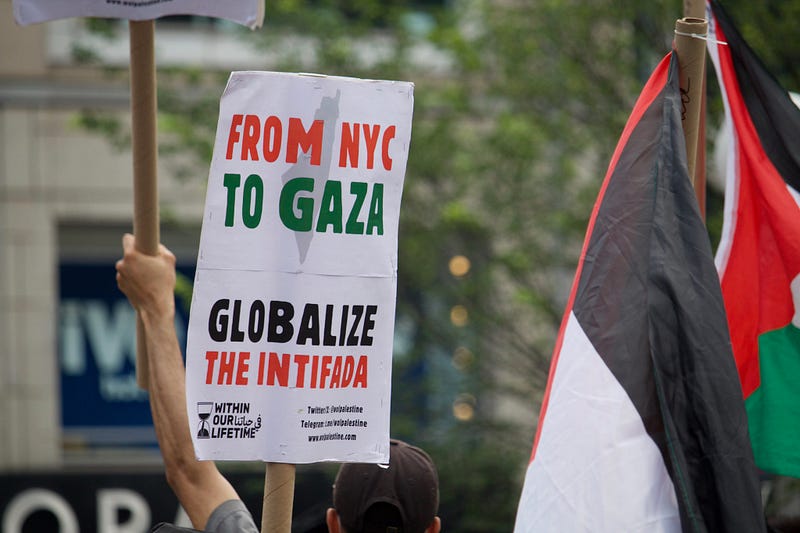
There is a sickness in this country right now, and one of its clearest symptoms is the desperate urge to rename evil so we do not have to condemn it plainly.
An improvised explosive device thrown into a crowd of protestors in New York is not “anger.” A truck rammed into a synagogue preschool in Michigan is not “grief.” A classroom shooting tied to jihadist ideology in Virginia is not “blowback.” These are not brave acts of conscience, however cleverly “news” media outlets try to sympathetically frame them.
They are not antiwar activism. They are terror.
That should not be hard or controversial to say. And yet here we are, in a culture that has become weirdly fluent in euphemism whenever the victims are Americans, Jews, or anybody inconvenient to the preferred political narrative. We are asked to “contextualize” everything except the clear choice to target civilians with violence. We are told to consider the larger conflict, the atmosphere, the rage, the trauma, the backstory — everything, in other words, except the basic moral fact that trying to blow up a crowd or terrorize children is depravity.
The facts are bad enough without the moral evasions.
Federal prosecutors say the two suspects in the New York case were ISIS supporters who allegedly tried to detonate explosive devices outside Gracie Mansion during a protest, with one device thrown toward the crowd and another dropped near police. The FBI called it an attempt to detonate explosive devices “in a crowd.”
In Virginia, the FBI is treating the Old Dominion attack as terrorism after a former National Guard member and convicted Islamic State supporter opened fire in an ROTC classroom, killing one Army officer and wounding two others before the killer was subdued by students.
In Michigan, the FBI called today’s synagogue assault a “targeted act of violence against the Jewish community.”
None of this happened in a vacuum. The FBI has been warning for days about a heightened threat environment. Director Kash Patel said the bureau’s counterterror and counterintelligence teams were “on high alert” and that Joint Terrorism Task Forces were working “24/7.”
A DHS threat assessment said Iran and its proxies probably pose a “persistent threat of targeted attacks” in the United States and would likely escalate retaliatory “calls to action.” Even the California drone warning tells you something important: federal officials were plainly worried about the possibility of terror activity reaching American soil.
And then there is the rhetoric — the political and ideological atmosphere in which this violence is incubated.
In January, Iran’s parliamentary national security commission warned that an attack on the supreme leader would mean a “declaration of war with the entire Islamic world” and would bring the response of “Islam’s soldiers in all parts of the world.”
Add that to the chants of “Death to America,” the endless anti-Jewish incitement that pours through extremist ecosystems, and the very real online sophistication of ISIS-aligned propaganda networks, and the picture is not complicated. The FBI said in 2024 that it had helped dismantle the largest ISIS online propaganda infrastructure in the world, while DOJ cases have described pro-ISIS channels distributing detailed explosives and firearms instructions to would-be recruits.
No, we do not have public proof that Tehran sat down and micromanaged each of these attacks. That is not the point. The point is that when governments, terror proxies, jihadist propagandists, and their online fellow travelers spend years glorifying violence against Americans and Jews, unstable and radicalized men hear the message. Some of them act on it.
Incitement matters. A culture of rationalization matters. You do not need a signed memo from Tehran to understand that public threats, terror propaganda, and chants of annihilation are not harmless theater.
They are fuel.
Trying to launder this kind of violence through nicer language is monstrous. Throwing explosives into a protest crowd is terror. Targeting a synagogue full of children is terror. Opening fire in a classroom in the name of jihad is terror. It does not become less so because someone drafts a graduate-seminar explanation for it afterward.
America cannot survive a culture that keeps making excuses for violence right up until the moment the shrapnel flies. The civilized answer must be simple, old-fashioned, and absolute: no. Not “yes, but.” Not “we should also ask why.” Not “this is what empire causes.”
No. Terror by any other name is still terror, and the country needs to start saying so again.
Add terrorism to anything else and the result is still terrorism.
(Contributing writer, Brooke Bell)